Thursday, February 20, 2014

Ecotourism - Trees at Fairchild Tropical Gardena Miami Florida

By Liliana Usvat
Blog 142-365

History

Every garden starts with a passion for plants  and a desire to conserve  the beauty and diversity of the nature. The  Fairchild Tropical Garden was established in 1936 by Robert H. Montgomery (1872–1953), an accountant, attorney, and businessman with a passion for plant-collecting.


The garden opened to the public in 1938. It was named after his good friend David Fairchild (1869–1954), one of the great plant explorers. Dr. Fairchild's extensive travels brought many important plants to the United States, including mangos, alfalfa, nectarines, dates, horseradish, bamboos and flowering cherries.
 
David Fairchild retired to Miami in 1935, but many plants still growing in the Garden were collected and planted by Dr. Fairchild, including a giant African baobab tree.
 
With the guidance of an influential circle of friends, Montgomery pursued the dream of creating a botanical garden in Miami. He purchased the site, named it after Dr. Fairchild.

The Garden


Fairchild Tropical Botanic Garden, is one of the world’s most unique botanical gardens.
 
Fairchild Tropical Botanic Garden is a 83-acre (34 ha) botanic garden, with extensive collections of rare tropical plants including palms, cycads, flowering trees and vines. It is located in metropolitan Miami, just south of Coral Gables, Florida, United States, surrounded at the south and west by Matheson Hammock Park.
 
Fairchild opened to the public in 1938.

Architects
 
The garden was designed by landscape architect William Lyman Phillips, a leading landscape designer in South Florida during the 1930s.
 
The first 15 years saw the construction of its primary buildings and landscape features, including the Montgomery Palmetum, Bailey Palm Glade, Allee and Overlook, Vine Pergola, Amphitheatre, Gate House, Montgomery Library and Museum, 14 artificial  lakes, stone terracing walls, irrigation systems, Moos Sunken Garden, and Nell Montgomery Garden House auditorium.

The semi-recent addition of a butterfly conservatory  added another reason to enjoy the garden.
 
Education
 
Fairchild scientists are conserving tropical plants, hoping to avoid the extinction of species and their habitats. 

With active partnerships with area colleges (including Florida International University, University of Miami, Miami Dade College, and University of Florida) Fairchild trains graduate and postdoctoral students.
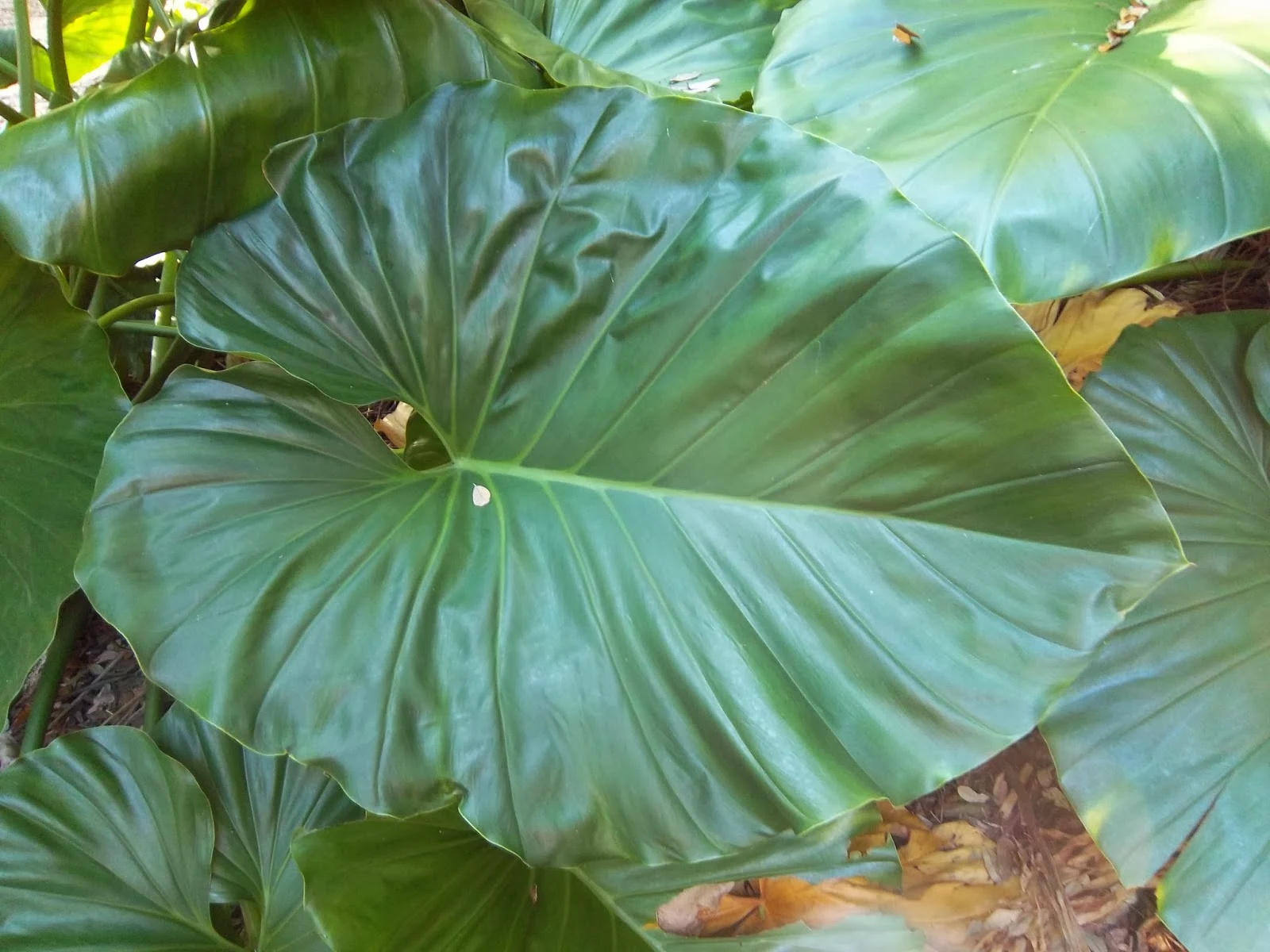
   
Fairchild is dedicated to exploring, explaining and conserving the world of tropical plants, having one of  the world’s greatest living collection of palms and cycads. . Currently Fairchild has field programs in over 20 countries including support to protected areas in Madagascar and Africa and botanic garden development and renovation projects in South and Central America, the Caribbean and the Middle East.
Fairchild plays many roles, including museum, laboratory, learning center and conservation research facility, but its greatest role is preserving biodiversity, which the garden’s scientists, staff and volunteers all contribute to on a daily basis. In 2012, Fairchild also became the home of the American Orchid Society.
 
Events and Exhibitions
   
Since 2003 Fairchild Tropical Botanic Garden has sponsored a series of exhibits by artists.
  
Throughout the year the garden hosts a series of seasonal weekend festivals ranging from the International Chocolate Festival, the International Mango Festival, the Butterfly Festival, the Bird Festival, the Orchid Festival,
the Ramble, the Food and Garden Festival and the Edible Garden Festival

Address


Fairchild Tropical Gardens is located at 10901 Old Cutler Road in Coral Gables Florida USA.
Fairchild is open 364 days a year (they close on Christmas) from 9:30AM until 5:00PM.

Plants
  
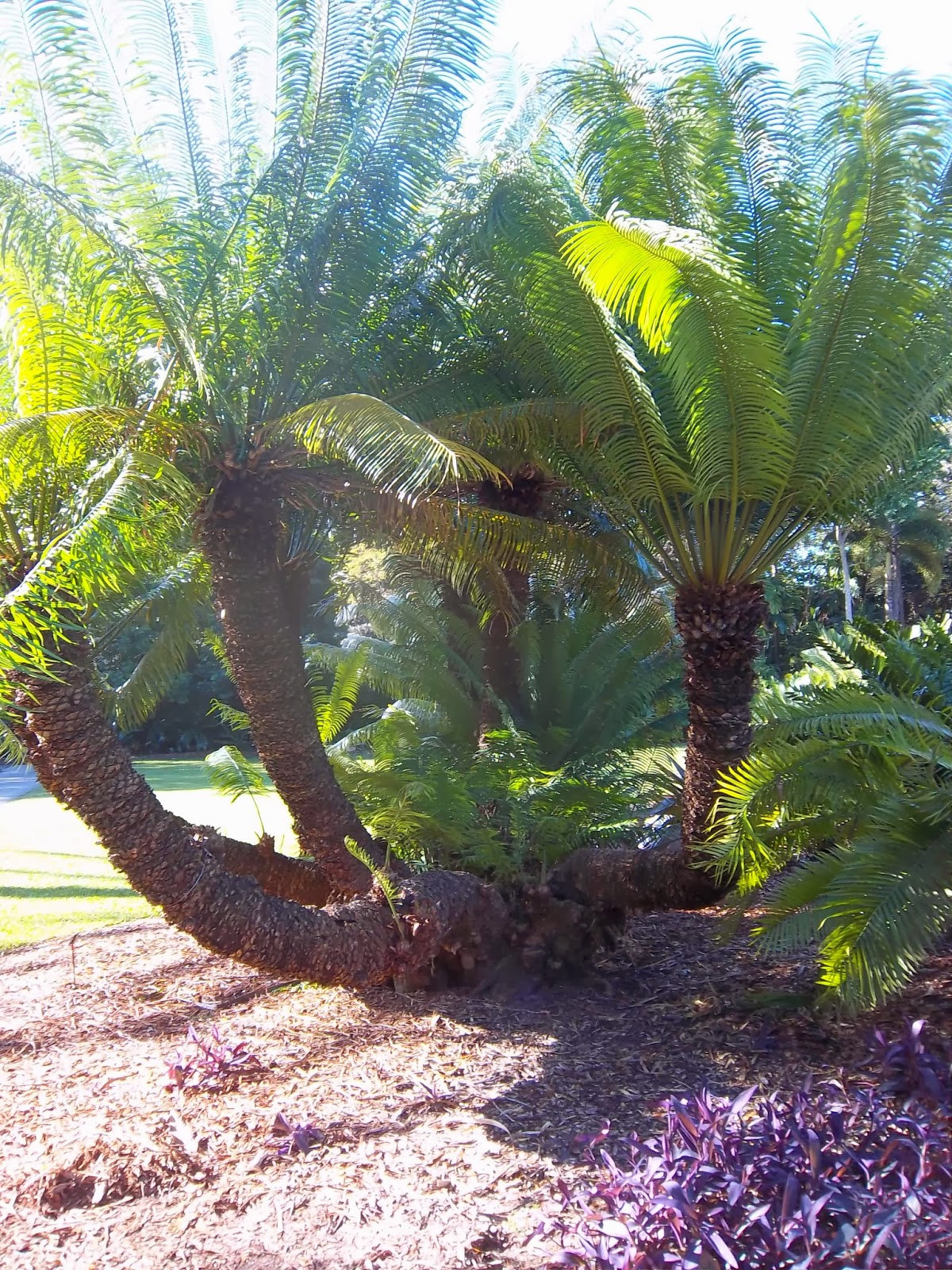
If you want to see in person just how beautiful tree ferns are, Fairchild Tropical Botanic Garden has many on display, including the Australian tree fern ( Cyathea cooperi), Hawaiian tree fern (Cibotium glaucom), Mexican tree fern (C. schiedei), Caribbean tree fern (Cyathea arborea) and the rare native Florida tree fern (Ctenitis sloanei).


NeighborWoods
 
Here I found  about a  initiative that is good to follow by other cities countries and organizations.
 "Alliance for Community trees"
 
They state: "Every neighborhood deserves the benefits of trees: cleaner air, safer streets and healthier residents. NeighborWoods envisions a future where all people live in communities with tree-lined streets, shaded parks and public spaces, and full-canopied neighborhoods."


Alliance for Community Trees launched the NeighborWoods program in 2005 as a national initiative to support local tree-planting organizations and their efforts to make neighborhoods cleaner, greener and healthier. NeighborWoods has since delivered over $1.2 million in grants to local nonprofits.


A signature NeighborWoods grant program supported strategic tree planting to improve the health and livability of affordable housing communities. And I saw the result in Miami close to the Park. It is beautiful.

Wednesday, February 19, 2014

Forest and Ownership of the Land

By Liliana Usvat


I just came back from a trip to Miami Florida.
I usually spent  the time between flights by reading.
If I find a good idea in the book that I am reading I consider that time a time well spent.

I usually find good ideas. This time I read an autobiography: "Frank Stronach The Magna Man My road to Economic Freedom." ( Frank Stronach is a Canadian immigrant from Austria that built an empire within a 50 years of time span in Canada employing 110,000 people having 380 factories in 38 countries and a $30 billions in sales at the present date. He arrived in Canada with no money and started with a tool and die shop.)

Here is one idea from the book that I totally agree with.

"A ownership mentality is a powerful force. It transform the world around us You can give the most fruitful and productive land to renters, people with no stake in the ownership of future of the property and over time the property will likely turn into overgrown bush or desert. But if you give people ownership of some dry and rocky land they will work to transform it into flourishing gardens full of food and flowers. And so it is with society."

I believe this is the solution to transform large portions of desert and rocky land into forests. The ownership of the land to families. The ownership of the land will brig back the equilibrium of the ecosystems.


Blog 141-365

Wednesday, February 12, 2014

Liliana Usvat: Dragon Fruit Tree - Anti Cancer Super Fruit

Liliana Usvat: Dragon Fruit Tree - Anti Cancer Super Fruit

Dragon Fruit Tree - Anti Cancer Super Fruit

By Liliana Usvat


"Pitahaya" or "Dragonfruit" is the fruit of several cactus species.

Pitahaya-producing cacti of the genus Hylocereus are originally native to Mexico, and they were also transplanted to Central America and to other parts of the world.

Currently, they are also cultivated in East Asian and Southeast Asian countries such as Cambodia, Thailand, Taiwan, Malaysia, Vietnam, Sri Lanka, the Philippines, Indonesia and more recently Bangladesh.

The fruit was probably introduced by Europeans who brought it from the New World. In the case of Taiwan, the fruit was brought in by the Dutch.

Health Benefits 

  • Dragon Fruit Antioxidants - Eat dragon fruit as a good natural source of anti-oxidants which help to prevent the dangers of free radicals which can cause cancer and other undesirable health detriments
  • The fruit has been hailed as having remarkable health-giving properties, including the ability to regulate blood sugar levels in diabetes as well as providing a dose of anti-oxidants.
  • Dragon Fruit Vitamin C - The amount of vitamin C in dragon fruit is high

  • Dragon Fruit Cholesterol -Dragon fruit is both low in cholesterol and has little to no unhealthy cholesterol producing fats 
  • Dragon Fruit Fiber - Dietary fiber is an important nutrition factor for everyone from young to old, and the best way to get dietary fiber is to eat fruits and vegetables including fruits like the dragon fruit. 
  • 50% of the seeds were made up of an essential fatty acid, oleic acid, which helps lower bad cholesterol and raise good cholesterol.


  • a study indicates regular consumption of dragon fruit may lower the risks of developing heart disease and developing high blood pressure.
  • Dragon fruit is high in antioxidants. Studies show that antioxidants may be effective at lowering risk of certain types of cancer.
  • The seeds contain omega-3 fats. A great deal of research shows that omega-3 fatty acids can fight inflammation and autoimmune diseases.
  • Because of its nutritional makeup, including antioxidants, monounsaturated fats, vitamins, minerals, enzymes, and fiber, pitaya is a beauty-enhancing fruit.
 
Also known as pitaya, dragonfruit is a hemi-epiphytic cactus that produces large and tasty fruits with neon pink skin and a surprising white flesh that's peppered with tiny black seeds. These seeds are really easy to germinate, and the patient gardener will one day be rewarded with a fruit bearing plant of her own!


 Blog 140-365

Tuesday, February 11, 2014

Seatle is Bilding the first Food Forest

By Liliana Usvat

Here a good  idea to follow


Seattle’s vision of an urban food oasis . A seven-acre plot of land in the city’s Beacon Hill neighborhood  planted with hundreds of different kinds of edibles: walnut and chestnut trees;

 blueberry and raspberry bushes; fruit trees, including apples and pears;

 exotics like pineapple,


yuzu citrus, guava, persimmons, honeyberries, and lingonberries

; herbs; and more. All will be available for public plucking to anyone who wanders into the city’s first food forest.

Permaculture 


The concept of a food forest certainly pushes the envelope on urban agriculture and is grounded in the concept of permaculture, which means it will be perennial and self-sustaining, like a forest is in the wild. Not only is this forest Seattle’s first large-scale permaculture project, but it’s also believed to be the first of its kind in the nation.

City Fruit 


In 2014 City Fruit will be expanding the steward program to two additional parks and will be planting new fruit trees and associated understory (berries) according to permaculture priniciples.


The Seattle Orchard Steward project provides in-depth training in fruit tree care to individuals interested in developing their own skills and provides hundreds of pounds of fruit to the emergency food system in Seattle -- fruit that previously went to waste.


 The living trees also connect Seattle's residents with the city's agricultural heritage and provide a focal point for community gatherings.


More than 30 public Seattle parks have fruit trees, which historically have been neglected because park employees often don’t have the time or resources to dedicate to the maintenance of these trees.


Low-Hanging Fruit: an Edible Forest


Imagine if your neighborhood park doubled as a communal orchard. Out of fruit in the fridge? Just stroll down the block and pluck the first ripe pear you see.


Blog 139-365

Monday, February 10, 2014

Boswellia Sacra Frankincense Biblical Plants Medicinal Uses

By Liliana Usvat

 
This is Boswellia sacra, better known as the frankincense tree. The shrub’s gum resin is one of the three biblical gifts that the wise men bestowed on the infant Jesus.

Boswellia sacra (commonly known as frankincense or olibanum-tree) is a tree in the Burseraceae family. It is the primary tree in the genus Boswellia from which frankincense, a resinous dried sap, is harvested. It is native to the Arabian Peninsula (Oman, Yemen), and northeastern Africa (Somalia).


Little Socotra Island, located in the Indian Ocean, 380 km away to the south of the Arabian Pensinula and 240 km away east of the Horn of Africa, located on the trade route became one of the leading suppliers of frankincense in the world, mainly due to the exceptional quality incense harvested here.


In ancient times, 2500 years before Christ, frankincense was sought by the Egyptians for mummification of pharaohs and their religious rituals, but also for therapeutic effect (antiseptic, antibacterial, anesthetic medium power)


This species of Boswellia is a small deciduous tree, which reaches a height of 2 to 8 m (6 ft 7 in to 26 ft 3 in), with one or more trunks. Its bark has the texture of paper and can be removed easily.

Boswellia sacra is abundant in Oman and southern Yemen in arid woodland, on the steep, precariously eroding slopes in the mountains of Dhofar, but it is most prevalent in northern Somalia.

History 


We do know that frankincense  it already scented the Egyptian Temples to honor Ra and Horus and it is said that Queen Sheba brought a great number of Frankincense trees as a special gift for King Solomon. 

Unfortunately those trees were destined to die as Frankincense trees only grow in a very limited geographic range and very arid conditions. Nevertheless, it's the thought that counts and bringing all these trees was indeed a very strong sign of honour and respect.

The earliest recorded account of the use of Arabian frankincense and myrrh by the ancient Greeks comes from Herodotus, suggesting that by 500 BC a well-established trade existed between southern Arabia and Greece. In 295 BC Theophrastus recorded that Alexander the Greek (356-323 BC) sent Anaxicrates to southern Arabia to ascertain the origin of frankincense.

Theophrastus (c. 372-287 BC), the Greek botanist, and Pliny the Elder (23-79 AD), the Latin naturalist, provided eyewitness accounts of the cultivation and harvesting of frankincense, and the methods remain largely unchanged today.

When slashed, the bark exudes an oily gum resin which is either scraped off the tree or collected from the ground as it drips off, a method which produces a better quality resin. The best quality resin is pale in colour, while resin which is scraped off the bark is reddish and considered inferior.

The trees, although provided by nature, 'belong' as deliberated by unspoken agreement, to particular families who live nearby and who claim the right to harvest them. In the ancient world all Frankincense trees were decreed to belong to the King and only he negotiated the harvesting rights with the various merchants for a goodly fee.


Studies have shown that where families take a 'guardian' position towards the trees they are far better cared for and protected as naturally any desert dweller will be quite careful to protect the source of their livelihood compared to roving harvesters who do not have any vested interest in the welfare of a particular tree.

Emperor Nero utilized a pomade made from the gum mixed with wax to disguise the tell-tale bags beneath his eyes that appeared after a night of debauchery.

Legend

Legend had it that the trees only grew in the most inhospitable mountainous places, guarded by dragon-like creatures that would readily strike out at any intruder.

 Frankincense in The Church


Frankincense was associated almost all the major religions of the world with divinity, its smoke into the sky raising prayer. "Let my prayer as incense before you," says the Psalmist (Psalm 140) 

When, exactly, incense was introduced into the religious services of the Church it is not easy to say. During the first four centuries there is no evidence for its use.

Still, its common employment in the Temple and the references to it in the New Testament (cf. Luke 1:10; Revelation 8:3-5) would suggest an early familiarity with it in Christian worship. The earliest authentic reference to its use in the service of the Church is found in Pseudo-Dionysius ("De Hier. Ecc.", III, 2).

The Liturgies of Sts. James and Mark — which in their present form are not older than the fifth century — refer to its use at the Sacred Mysteries.

A Roman Ordo of the seventh century mentions that it was used in the procession of the bishop to the altar and on Good Friday (cf. "Ordo Romanus VIII" of St. Amand). The pilgrim Etheria saw it employed at the vigil Offices of the Sunday in Jerusalem (cf. Peregrinatio, II). Almost all Eastern liturgies bear witness to its use in the celebration of the Mass, particularly at the Offertory. 

Medicinal Uses


The traditional applications of Frankincense are very diverse - ranging from
  • dental disease to 
  • skin conditions, to 
  • respiratory complaints and 
  •  digestive troubles - to name but a few. 
Throughout the ancient world, from Egypt to China and from India to Rome - not to mention the Arabian countries where Frankincense was grown, used not only the oleoresin, but practically every part of the tree: root and bark, bud, flower
 

 and fruit - as well as the resin and the essential oil all had their various uses.

  • The powdered bark was made up into an astringent paste which was used as a soothing ointment as a remedy for swelling (oedema).
  • As a treatment for mastitis the dried or fresh gum was boiled in milk from the patient, to form a thick paste which was applied to the affected part. 
  • The bark was brewed into a stimulating and cleansing tea,
  •  the white inner root of young plants was chewed to treat stomach problems
  • The singed, powdered bark was commonly stored as a first aid remedy for wounds, Mixed with water it was applied as a 'ready to use' dressing for wounds and burns, though if available, the fresh bark was also used for this purpose- particularly as an antiseptic wash to clean dirty or infected wounds. 
  • The resin's antiseptic properties have been utilized as in ingredient for eye-washes to treat various ophthalmic diseases
  • in Ethiopia the soot of the resin is thought to be beneficial for the eyes and sore or tired eyes are fumigated with the smoke
  • The bark also found application in the setting of broken bones. Two pieces of the wood were used as splints, with strips of Frankincense bark wrapped around them along with bandage soaked in soft resin, which upon drying helped to provide firm support for the mending bone.
  • The resin was chewed to stimulate the gums and treat dental infections
  • Buds and fruit provided a cleansing tonic for the digestive system.
  • Brewed into a decoction with Cinnamon and Cardamom the resin was used to treat stomach aches
  • Burnt as incense it was not only thought to keep off the demons of disease and reduce pain, but it was also thought to act as an expectorant and was used to clear phlegm from the head and chest in cases of colds, flu and conditions of the upper respiratory tract.
  • Frankincense was thought to improve memory and dispel lethargy.
  • As an admixture to white wine and the lungs of a hare it was also used as a remedy for epilepsy,
  • the smoke of the smouldering resin was used to treat severe and persistent headaches.
  • The smoke is also a powerful insect deterrent
  • The smoke served as a prophylactic to prevent the bites of malaria carrying mosquitoes.
  •  The bark was made into an ointment to treat severe muscle pain
  • In India was the oleoresin noted as a remedy for rheumatism 
  • In women's medicine - the bark was chewed for morning sickness and a potion made from the resin dissolved in wine with snakeskin was thought to ease difficult labour.
  • During and after birth frankincense was burnt for 40 days in order to protect mother and child.
  • Frankincense oil 'could be alternative treatment for bladder cancer. The herb, famous as one of the presents brought by the wise men when they visited the baby Jesus, does not harm healthy cells, found the study.The oil halted the growth of the cancer cells before going on to kill them, according to the study.
  • The herb known as "Indian Frankincense" could ease the effects of arthritis. 
  • The use of incense was very common. It was employed for profane purposes as an antidote to the lassitude caused by very great heat, 
  •  now used as perfumes
Soil and Rock Fixation


Individual trees growing on steep slopes tend to develop some buttressing that extends from the roots up into the base of the stem. This forms a sort of cushion that adheres to the rock and ensures a certain stability.

Resin

The resin is extracted by making a small, shallow incision on the trunk or branches of the tree or by removing a portion of the crust of it. The resin is drained as a milky substance that coagulates in contact with air and is collected by hand.

The adhesive qualities of the gum have been used to seal minor crack and repair pottery and other utensils, as the gum hardens upon drying. Combined with other substances it has also been used to caulk ships.

In ancient Egypt Frankincense and Myrrh were among of the most essential ingredients of the sacred embalming lotions with which the mummies were prepared.
 

Tree Population

 Recent studies have indicated that frankincense tree populations are declining due to overexploitation.
Heavily tapped trees have been found to produce seeds that germinate at only 16% while seeds of trees that had not been tapped germinate at more than 80%

Ho to Plant It
  1. Place the Boswellia sacra seeds in a shallow bowl, and pour the hydrogen peroxide/water solution over them. Allow them to soak for 24 hours.
  2. Place the Boswellia sacra seeds on the surface of the of vermiculite and peat moss, , and cover with a sprinkling of vermiculite or sand. Carefully moisten the top layer of the germination medium with water from a spray bottle.
  3. Cover the pot with plastic wrap or seal it in a plastic bag. Place the potted Boswellia sacra seeds on a heat mat set to 95 degrees Fahrenheit. Germination may occur as soon as seven days. 
  4. Open one corner of the plastic when the seed sprouts but allow it to remain on the heat mat as you gradually reduce the heat over the course of one week. 
  5. Turn the heat mat off and remove the plastic.

Blog 138-365

Friday, February 7, 2014

Peper Tree

By Liliana Usvat


Pepper plants are climbers which grow to a height or length of 10 m or more. When its main stem is established, it grows lots of side shoots to create a bushy column.


The plants form short roots, called adventitious roots, which connect to surrounding supports.

Although black pepper is cultivated in many tropical regions, it is native to Kerala State in India where it still occurs wild in the mountains.


Cultivation
 
For this spice tree, you pick the fruit before it matures and then dry it. They can be used whole or ground into a powder. The flavor will usually be better if the fruits are kept whole and ground up right before use.

Cuisine and Black Peper


The Arabs had monopolized pepper trade for millennia; it is not surprising, thus, that pepper is popular in Arab cooking and figures prominently in several Arabic spice mixtures.


Black pepper has found friends in the New World, and subsequently entered traditional cooking styles in Latin America.


Rather than following the common Indian practice, Sri Lankan cooking quite often makes use of black pepper as a main spice, creating an interesting contrast to other foods which owe their heat to chiles.


In India, black pepper is widely used but plays no special rĂ´le; it is just one more member of the large spice pan­theon, often used as a minor com­ponent of garam masala.


Also the Vietnamese use now much more black pepper than a few decades ago, since Vietnamese pepper production is now well-established. It is added to long-simmered soups and appears quite often as a table condiment.
 
In Cambodia, black pepper is part of the ubiquitous table condiment tik marij, a mixture of lime juice, salt and freshly ground pepper. Ironically, black pepper is little used in the cuisines of Malaysia and Indonesia, although these are the oldest production areas outside of India.


Black pepper is by far the most used type of pepper­corns. It is widely employed in almost all cuisines of the world. Since pepper cultivation has much increased lately and new plantations spread to remote locations, black pepper is continually introduced into cooking styles that did not use much pepper before, mainly for reasons of expense.
 
For example, Thai cooking has not only developed a likening for fresh unripe pepper berries, but also uses black pepper to a larger extent that before when it was an expensive import commodity. Black pepper is particularly popular for comparatively mild stews as preferred in the cuisine of the Royal Thai Court.

Flowers 


Flowers - grow in clusters along flowering stalks known as spikes. Between 50 to 150 whitish to yellow-green flowers are produced on a spike.


Fruits


Fruits - the flowers develop into round, berry-like fruits. There may be 50-60 fruits on each spike. They grow to a diameter of 4 to 6 mm, each containing a single seed. Fruits are green at first but they turn red as they ripen. These fruits are picked when either green or red to produce black and white pepper.


Blog 137-365